Integrate heavy-duty lifting into the workshop floor for a clean bay, strong underbody access and a professional long-term service environment. Compare in-ground scissor and piston systems with Iron Lift.
In-Ground Heavy Vehicle Lifts
In-ground heavy-vehicle lifts position the lifting structure below floor level, helping keep the service bay open when the lift is lowered. Depending on the system, the vehicle can be raised from axle or approved chassis/contact points, creating excellent access for wheel, brake, suspension and underbody work.
Because the lift becomes part of the building, correct equipment selection needs to happen alongside workshop planning. Vehicle weights, axle spacing, floor construction, pit or cassette requirements, drainage, services, site conditions and long-term fleet needs all matter.
Choose the Technology
Both approaches provide heavy-duty lifting integrated into the workshop. The right choice depends on fleet geometry, site conditions, service tasks and project design.
In-Ground Scissor
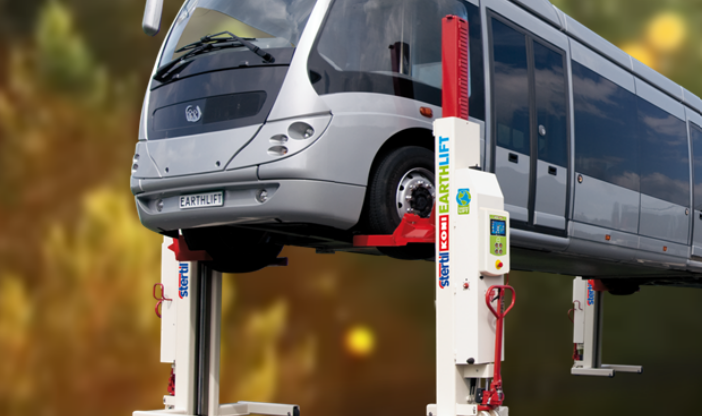
Axle-engaging, wheels-free heavy-vehicle lifting with an ultra-shallow in-ground design and flexible configurations across wheelbases.
In-Ground Piston
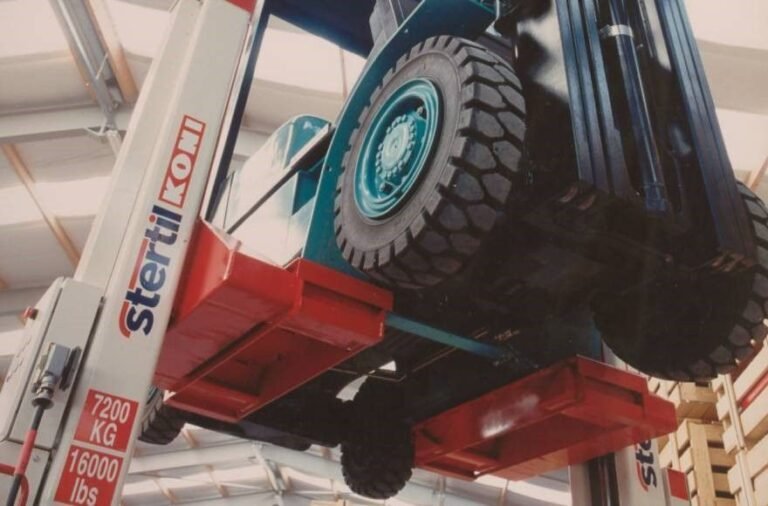
Telescopic piston lifting for heavy trucks, buses and fleet vehicles, with multi-piston configurations for different vehicle and workshop requirements.
Need Help?
Send us your fleet list, axle information and workshop plan and we can help narrow down the technology before civil works are finalised.
Project Planning
Site, slab, underground services and construction timing can influence which system is practical and economical.
Stertil-Koni ECOLIFT
ECOLIFT is a full-rise, axle-engaging in-ground scissor system designed around wheels-free access. Current manufacturer information includes 2-, 3- and 4-scissor configurations, a shallow pit concept and movable lifting positions for different wheelbases.
Stertil-Koni DIAMONDLIFT
DIAMONDLIFT is Stertil-Koni’s in-ground telescopic piston family for heavy commercial vehicles. Multiple piston configurations can be used to suit different vehicle lengths, axle arrangements and workshop applications.
Decision Guide
Question
Direction
Do you prioritise an ultra-shallow in-ground installation?
ECOLIFT may be particularly relevant, subject to site engineering.
Do you want axle-engaging, wheels-free lifting?
Both systems can support wheels-free service concepts. The correct product and adapters depend on the vehicle.
Do vehicle lengths or axle locations vary?
Assess travel, recess capability and piston or scissor configuration against the real fleet.
Is this a new workshop?
Either technology may be considered early in the design process.
Is this a retrofit?
Site conditions, existing slab, building services and excavation constraints can strongly influence the practical option.
Not sure which system fits?
Send Iron Lift the fleet list, axle information and workshop plans before civil works are finalised.
New Build vs Retrofit
For a new workshop, the in-ground lift should be considered early alongside bay dimensions, drainage, electrical services, compressed air where required, vehicle circulation and foundation design.
For an existing workshop, excavation, floor structure, underground services, groundwater or soil conditions and operational downtime may affect feasibility and cost.
Iron Lift can coordinate lifting-equipment requirements, while structural, civil, geotechnical, electrical and building works should be designed or approved by the relevant qualified parties where required.
Applications
Purpose-built fleet depots where repeat maintenance and wheels-free work are important.
Dedicated heavy-vehicle service bays for commercial transport operations.
Long-life workshop infrastructure for mixed public-works and heavy fleet vehicles.
Project-specific vehicle lifting where dimensions, axle loads and service tasks are confirmed.
Heavy fleet workshops requiring clear access around vehicle wheels and underside.
New-build facilities where lifting equipment can be integrated into the building design from the start.
Workshop Planning Checklist
Adapters & Accessories
Relevant accessories can include manufacturer-approved contact adapters, adapter stands and carts, remote controls and other equipment specific to the selected in-ground system.
Compatibility depends on the exact lift, vehicle geometry and approved lifting points.
Project & Lifecycle Support
Help identify the appropriate technology before the building layout is fixed.
Provide manufacturer equipment requirements for coordination with the customer and project team.
Arrange the lift and approved accessories or options.
Provide or coordinate specialist installation and commissioning according to project scope.
Support correct handover and manufacturer operating information.
Planned maintenance, inspections, fault diagnosis and replacement parts for supported equipment.
Frequently Asked Questions
A lifting system installed below the workshop floor so the vehicle can be raised using scissor, piston or other approved lifting mechanisms while keeping much of the bay clear when lowered.
A scissor system raises through linked scissor mechanisms, while a piston system uses telescopic lifting pistons. Vehicle mix, site conditions and workshop requirements determine which approach is more suitable.
They can be, but retrofit feasibility depends on the slab, underground services, excavation, site conditions and the specific lift design.
Yes, selected axle- or chassis-engaging systems can provide wheels-free access when used with the correct approved contact points and adapters.
As early as possible, ideally before finalising service-bay dimensions, civil works and equipment layouts.
Iron Lift can support servicing, inspection, repairs and parts for supported equipment. Contact us with the manufacturer, model and serial number.
Send us the fleet information and workshop details you already have. Early equipment input can help avoid locking in civil works before the lifting system has been properly considered.
Planning a New Heavy Vehicle Workshop?
Talk to Iron Lift about ECOLIFT, DIAMONDLIFT and the heavy-vehicle lifting requirements of your fleet.